Few South Bangalore localities can claim their own dedicated theatre and a music museum in the same neighbourhood, but JP Nagar manages both — Ranga Shankara for performing arts and the Indian Music Experience Museum, sitting alongside a sprawling residential belt that’s grown steadily since the late 1970s. Here’s a full breakdown of where JP Nagar sits, its pin code, transport options, and what surrounds it.
JP Nagar Overview
| Detail | Information |
| Locality | JP Nagar (Jayaprakash Nagar) |
| City | Bengaluru |
| State | Karnataka |
| Area | Approx. 2,500 acres, 9–10 phases |
| Pin Code | 560078 (varies slightly by phase — 560076, 560070 also used) |
| Named After | Jayaprakash Narayan |
| Nearest Metro Stations | Ragigudda, Jayadeva Interchange, JP Nagar 4th Phase |
| Major Roads | Bannerghatta Road, Kanakapura Road, Outer Ring Road, 24th Main Road |
| Bordering Localities | Jayanagar, Banashankari, BTM Layout, Bannerghatta Road, Puttenahalli |
Location and Character
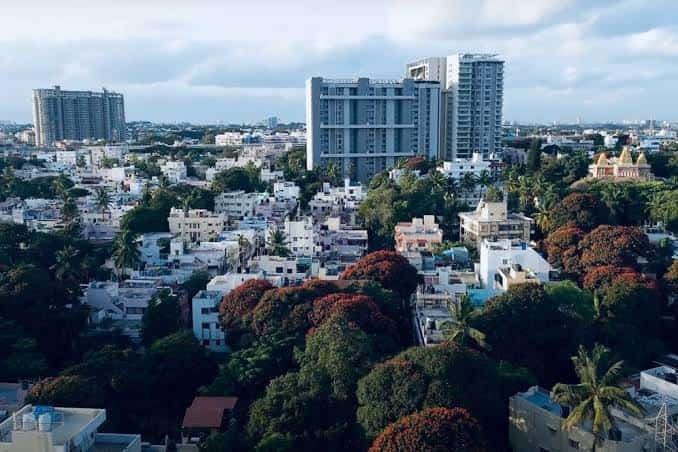
JP Nagar sits in South Bengaluru, developed by the Bangalore Development Authority starting in the late 1970s to ease congestion in Jayanagar and accommodate the city’s southward growth. Originally called Sarakki Agrahara, the area was once dotted with vegetable gardens and orchards — traces of that farmland past still survive at the Mini Forest park near Phase 3. Today, the locality spans roughly 2,500 acres across ten phases, with Phases 1 through 3 sitting inside the Outer Ring Road and Phases 4 through 10 stretching further south toward Kothnur Dinne, Konanakunte, and Anjanapura. That range means JP Nagar houses everything from older, tree-lined low-density streets in the early phases to modern gated communities in the newer ones.
Pin Code Details
JP Nagar’s primary pin code is 560078, covering most of the locality from Phase 1 through Phase 9, including sub-pockets like RBI Layout, Sarakki Nagar, Kothnur Dinne, and BDA Layout. However, the phases don’t all share one code — Phase 3 and parts of Phase 4 typically fall under 560076, and Phase 8 and 9 carry slight variations of their own. Given how spread out the locality is, it’s worth confirming both the phase number and pin code together on any address, rather than assuming 560078 covers the entire neighbourhood.
Getting Around: Metro, Roads, and Rail
Roads
JP Nagar sits between Bannerghatta Road and Kanakapura Road, two of South Bengaluru’s busiest arterial routes, giving the locality strong access in multiple directions. The 24th Main Road functions as JP Nagar’s internal spine, connecting northward to Marenahalli and Jayanagar while intersecting the Outer Ring Road near the geometric centre of the neighbourhood. The ORR itself puts major IT employment corridors within a manageable drive for residents in the newer phases.
Rail
JP Nagar doesn’t have a dedicated railway station within its boundaries, and most residents rely on Bangalore City Railway Station or Kengeri, both a reasonable drive away, for long-distance rail travel. Road and metro remain the default options for daily commuting rather than rail.
Metro
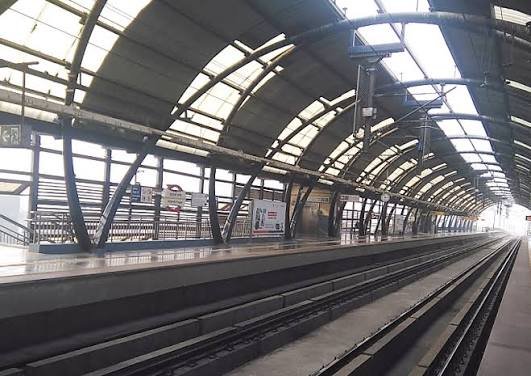
Connectivity has genuinely transformed JP Nagar in recent years. Ragigudda and Jayadeva Interchange metro stations serve the locality’s earlier phases, giving residents direct access into the city’s core network. More recently, the JP Nagar 4th Phase metro station, an interchange between the Pink Line and the upcoming Orange Line, has become operational near Vega City Mall, extending direct rail access to the 4th and adjoining phases. With multiple stations now covering different parts of this spread-out locality, JP Nagar residents largely avoid the single-station bottleneck that many other Bangalore suburbs still deal with.
What’s Nearby: Markets, Malls, and Everyday Essentials
Markets
Each phase of JP Nagar tends to have its own local market cluster covering daily groceries and essentials, with Phase 2 and Phase 4 in particular known for busy commercial stretches that serve as informal town centres for their surrounding blocks.
Malls
Vega City Mall, near the JP Nagar 4th Phase metro station, is one of the locality’s most prominent retail and entertainment destinations, combining shopping, dining, and a multiplex in one location convenient for residents across several phases.
Everyday Essentials
Fortis Hospital anchors the locality’s healthcare access, backed by several smaller clinics and hospitals like Chirag Hospital and Divakars Speciality Hospital in the earlier phases. For education, JSS Public School serves as one of the area’s reputed institutions, and cultural landmarks like Ranga Shankara theatre and the Indian Music Experience Museum add a dimension of recreational and cultural life that few residential localities in Bangalore can match.
Frequently Asked Questions
Q1. Which JP Nagar phase should I consider if I want an established, quieter neighbourhood?
The earlier phases, particularly 1 through 3, tend to retain the older, tree-lined, low-density character JP Nagar was originally known for. Newer phases from 8 through 10 offer modern gated communities but generally come with a busier, more under-construction feel as development continues.
Q2. Does JP Nagar have direct metro access from every phase, or only some?
Coverage has improved significantly with the JP Nagar 4th Phase station joining Ragigudda and Jayadeva Interchange, but residents in the farther southern phases, closer to Konanakunte and Anjanapura, may still find themselves a longer drive from the nearest station compared to those in the core phases.
Q3. Why does JP Nagar use more than one pin code?
Because the locality spans roughly 2,500 acres across multiple phases developed over different periods, India Post assigns slightly different codes to different sections — mainly 560078, 560076, and a couple of phase-specific variants. Always pair the phase number with the pin code when addressing mail or deliveries here.
Q4. Is JP Nagar a good long-term investment compared to other South Bangalore localities?
It has shown steady capital appreciation, generally in the range of 6-7% year-on-year, driven by ongoing metro expansion and proximity to major employment corridors. Newer phases with modern gated developments tend to show higher growth potential, while older phases offer more stability and established infrastructure rather than rapid appreciation.