A Mughal-era fort, a heritage steam-era railway line, and a weekly grain market that still draws traders from surrounding villages — Farrukhnagar carries a genuinely different character from Gurugram’s glass-and-steel sectors just 20 km away. Founded in 1732 by Faujdar Khan, the first Nawab of Farrukhnagar, this small Haryana town built its early fortune on the salt trade before fading into quiet obscurity, only to see renewed interest recently as Gurugram’s growth pushes outward. Here’s a complete breakdown of where it sits, its pin code, transport options, and what surrounds it.
Quick Overview of Farrukhnagar, Haryana
| Detail | Information |
| Locality | Farrukhnagar |
| District | Gurugram |
| State | Haryana |
| Pin Code | 122506 |
| Founded | 1732, by Faujdar Khan |
| Population (2011) | 14,848 |
| Nearest Railway Station | Farrukhnagar (Garhi Harsaru–Farrukhnagar line) |
| Major Roads | Dwarka Expressway, Delhi-Jaipur Highway, Jhajjar Road |
| Distance from Gurugram | Approx. 20-21 km |
Location and Character
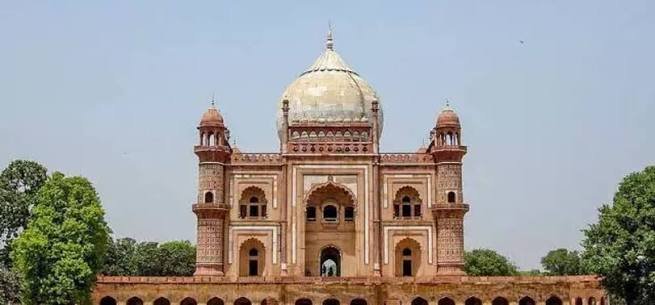
Farrukhnagar is a small town and municipality in Farrukhnagar tehsil, part of Gurugram district, sitting roughly 20-21 km from Gurgaon city and sharing its western border with Jhajjar district. Historic monuments — the Sheesh Mahal, a stepwell called the Baoli, and the Jama Masjid, all built under Faujdar Khan — remain popular local attractions, giving the town a genuine heritage identity that few Gurugram-adjacent localities can match. Today, Farrukhnagar functions as a quiet, semi-urban residential area, developing gradually rather than rapidly, and retaining a noticeably calmer environment compared to the high-rise, commercial sectors of central Gurugram.
Pin Code Details
Farrukhnagar’s pin code is 122506, administered through the Farrukh Nagar post office under the Gurgaon revenue district within Haryana’s postal circle. The code covers the main town along with surrounding rural pockets in Farrukhnagar tehsil, so addresses for outlying villages near the town benefit from a specific landmark reference given how spread out the broader tehsil is compared to the compact town centre itself.
Getting Around: Metro, Roads, and Rail
Roads
Farrukhnagar benefits from proximity to two major road corridors — the Dwarka Expressway and the Delhi-Jaipur Highway — both of which have improved the town’s connectivity considerably in recent years. Jhajjar Road runs through the town itself, connecting Farrukhnagar toward Jhajjar district to the west. This road access is a big part of why real estate interest here has picked up, even though the town itself remains fundamentally quiet and residential in character.
Rail
Farrukhnagar has its own small railway station, opened back in 1901, on the Garhi Harsaru–Farrukhnagar line. It’s a modest, single-platform station without extensive facilities, but it runs a handful of genuinely useful passenger trains, including the Farrukhnagar–Delhi Passenger and the Farrukhnagar–Delhi Sarai Rohilla Passenger, plus a weekly heritage express service. A much larger infrastructure project, the Haryana Orbital Rail Corridor connecting Palwal to Sonipat, is in its final construction phase and expected to complete by the end of 2026, which should meaningfully improve rail access for the wider Gurugram periphery, Farrukhnagar included.
Metro
There’s no metro connectivity within Farrukhnagar itself, and none is currently planned to reach this far west of Gurugram. Residents rely on road transport, taxis, and the town’s existing rail line for onward travel, with taxi services functioning as a genuine last-mile connection for anyone without a personal vehicle.
What’s Nearby: Markets, Malls, and Everyday Essentials
Markets
Ram Bazar and Ramphal Market are Farrukhnagar’s primary local markets, covering groceries, apparel, and household goods for daily needs. The town’s historic weekly grain market also continues to operate, drawing traders and farmers from surrounding villages, a genuine link to Farrukhnagar’s centuries-old trading identity.
Malls
There’s no organised mall within Farrukhnagar itself, reflecting its small-town, semi-urban character rather than a commercial retail hub. Residents wanting a full mall experience typically travel toward Gurugram city.
Everyday Essentials
Jain Hospital and Suryadeep Hospital serve as the town’s main multispecialty healthcare facilities. For recreation, Damdama Lake and Kamla Nehru Park are popular nearby outdoor spots, and Sultanpur National Park, known for its birdlife, sits within Farrukhnagar tehsil itself on the road toward Gurgaon, adding a genuinely rare natural attraction to the area’s profile.
Frequently Asked Questions
Q1. Is Farrukhnagar a good option for someone who works in Gurugram city but wants more affordable housing?
It can be, given the roughly 20 km distance and improving road connectivity via the Dwarka Expressway, but the daily commute is a real factor to weigh, since there’s no metro link and rail service is limited to a few passenger trains. It suits people prioritising affordability and a quieter environment over a short commute.
Q2. What are the must-see heritage sites in Farrukhnagar?
The Sheesh Mahal, the Baoli stepwell, and the Jama Masjid, all built by Faujdar Khan in the 18th century, are the town’s key heritage landmarks and remain popular with visitors interested in Mughal-era architecture beyond the more famous Delhi and Agra circuits.
Q3. Will the upcoming Haryana Orbital Rail Corridor actually benefit Farrukhnagar directly?
The corridor primarily connects Palwal to Sonipat and is designed to bypass Delhi’s congested routes for passenger and freight movement across Gurugram’s wider micro-markets, so while Farrukhnagar itself may see indirect benefits from the region’s improved rail infrastructure, it’s worth confirming whether the town gets a direct stop once the project completes.
Q4. Is Farrukhnagar suitable for a weekend heritage trip from Delhi or Gurugram?
Yes, it makes for a manageable day trip, combining the fort and Sheesh Mahal with nearby Sultanpur National Park and Damdama Lake, giving visitors a mix of history and nature within a fairly compact area, all reachable within a couple of hours from central Delhi.