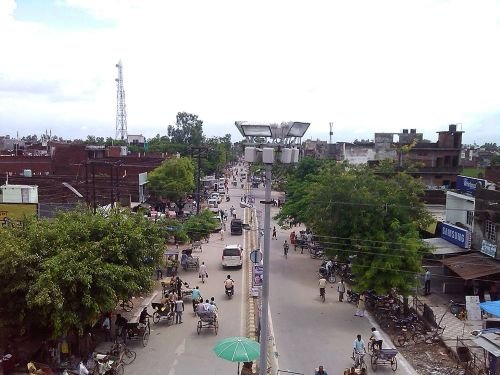
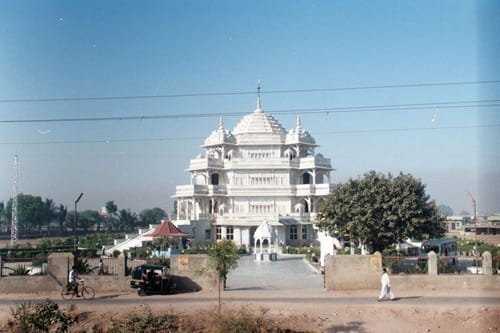
Few Delhi localities can claim direct access to three different metro lines, but Tri Nagar genuinely comes close — Red, Pink, and Green line stations all sit within a short distance, giving this North West Delhi neighbourhood a level of transit flexibility rare even by the capital’s well-connected standards. Well-established and vibrant, Tri Nagar has grown into a busy residential-cum-commercial hub anchored by markets that have served the area for decades. Here’s a complete breakdown of where it sits, its pin code, transport options, and what surrounds it.
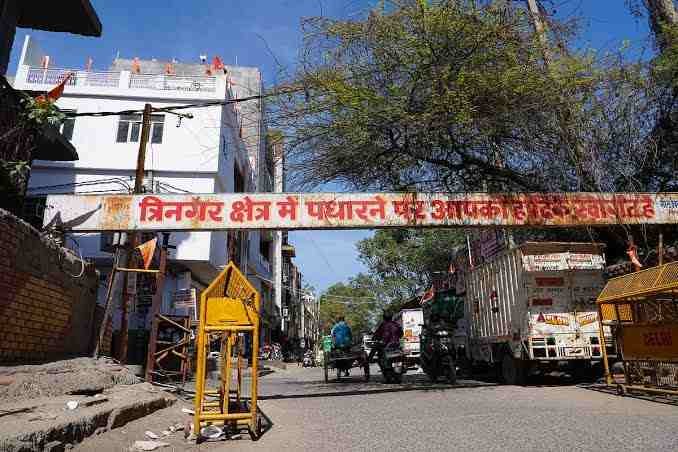
Tri Nagar at a Glance
| Detail | Information |
| Locality | Tri Nagar |
| City | Delhi |
| District | North West Delhi |
| Pin Code | 110035 |
| Known For | Totaram Bazaar, Jai Mata Market, Anaj Mandi |
| Nearest Metro Stations | Shakurpur (Pink Line), Kanhaiya Nagar & Keshav Puram (Red Line), Ashok Park Main (Green Line) |
| Nearest Railway Stations | Dayabasti, Patel Nagar |
| Major Roads | Ring Road, Main Rohtak Road, Maharaja Nahar Singh Marg |
| Bordering Localities | Inderlok, Keshav Puram, Ashok Vihar Phase 1, Kanhiya Nagar, Onkar Nagar |
Location and Character
Tri Nagar sits in North West Delhi, close to Inderlok, Keshav Puram, and Ashok Vihar Phase 1, and functions as a genuinely well-established, mid-segment residential and commercial locality. It’s home to several distinct sub-colonies, including Kanhiya Nagar, Onkar Nagar, and Narang Colony, each carrying its own community identity while sharing the broader Tri Nagar postal address. The area hosts Rampura and Dr. Lohia industrial areas within its boundaries, adding a genuine industrial dimension alongside its residential and market character. Housing here spans a mix of independent houses, builder floors, and apartments, attracting middle-class families drawn by the locality’s affordability and everyday convenience.
Pin Code Details
Tri Nagar’s pin code is 110035, covering the core locality along with its sub-colonies — Kanhiya Nagar, Onkar Nagar, Narang Colony, and the surrounding Anaj Mandi and Rampura pockets. Given how many named colonies fall under this single code, it’s worth pairing any address with the specific sub-colony name for accurate identification and delivery.
Getting Around: Metro, Roads, and Rail
Roads
Ring Road, Main Rohtak Road, and Maharaja Nahar Singh Marg together give Tri Nagar strong connectivity across North and West Delhi, with MG Marg and Outer Ring Road extending reach further into the city. Rampura Main Road and Britannia Road serve as key internal roads. Despite this solid network, residents consistently flag heavy peak-hour traffic congestion, particularly around the market areas, along with limited parking given the high density of vehicles in the locality’s narrower residential lanes.
Rail
Dayabasti Railway Station and Patel Nagar Railway Station both serve as nearby options for regional rail travel, giving Tri Nagar residents reasonable access to Delhi’s broader rail network.
Metro
Tri Nagar’s genuine standout feature is its access to three separate metro lines. Kanhaiya Nagar and Keshav Puram stations on the Red Line, roughly 1.5 km away, connect the locality toward Ghaziabad and other Red Line destinations. Shakurpur Station on the Pink Line, about 1.3 km out, links Tri Nagar to East Delhi areas. Ashok Park Main Station on the Green Line adds a third connectivity option. This multi-line access gives residents genuine flexibility depending on their destination, a real advantage over many single-line-dependent North Delhi localities.
What’s Nearby: Markets, Malls, and Everyday Essentials
Markets
Totaram Bazaar Market, Jai Mata Market, and Anaj Mandi are Tri Nagar’s defining commercial features, alongside Tri Nagar Market and Azad Market in nearby Kanhiya Nagar, together providing daily essentials from clothing to groceries within easy reach of most residents.
Malls
Pacific Mall NSP Pitampura, within 2-5 km, gives residents accessible organised retail and entertainment without a long drive from the locality’s core.
Everyday Essentials
Maharaja Agrasen Hospital, Garg Nursing Home, Attar Sain Jain Hospital, and Savitri Hospital together cover Tri Nagar’s healthcare needs. For education, Satyawati College, St. Prayag School, Kanha Makhan Public School, DAV Public School, and Guru Nanak Public School serve local families across the various sub-colonies. Major banks including SBI, HDFC, ICICI, and PNB have branches throughout the area, and small parks and gardens provide green, recreational spaces for children and elderly residents alike.
Frequently Asked Questions
Q1. Which of Tri Nagar’s three metro lines should I use, given the different stations?
It depends on your destination — Kanhaiya Nagar and Keshav Puram on the Red Line suit travel toward Ghaziabad and North Delhi, Shakurpur on the Pink Line connects toward East Delhi, and Ashok Park Main on the Green Line offers a further alternative, so it’s worth checking which line best serves your regular commute.
Q2. Is Tri Nagar a good option for someone prioritising affordability with strong metro access?
Yes, genuinely so — property rates range from roughly Rs. 8,000 to Rs. 15,000 per sq ft for builder floors and independent houses, relatively affordable for a locality with access to three separate metro lines within a short distance.
Q3. How bad is traffic congestion in Tri Nagar, particularly around the market areas?
It’s a frequently mentioned issue, especially during peak hours and in the busier market stretches like Totaram Bazaar and Jai Mata Market, where high vehicle density combined with narrow residential lanes makes parking and movement genuinely challenging at times.
Q4. What’s the difference between Tri Nagar’s various sub-colonies like Kanhiya Nagar and Onkar Nagar?
These are distinct residential pockets within the broader Tri Nagar area, each with its own community character, though they share the same 110035 pin code and generally similar access to markets, schools, and metro connectivity. Kanhiya Nagar in particular is known for its own vibrant market and closer proximity to the Red Line station.